
A messy wardrobe drains your energy faster than most people admit. You are not just looking at clothes when you open a packed, crooked closet. You are looking at delayed decisions, wasted money, and a day that already feels harder than it should. That is why closet tips matter more than cute baskets and matching hangers.
Good storage changes how you dress, shop, and even think. When your favorite shirt is visible, you wear it. When your shoes stay paired, you stop buying near-duplicates out of frustration. I learned that the hard way after losing a black blazer in plain sight for three months. Ridiculous, yes. Also common.
The truth is simple: your closet should serve your routine, not fight it. Sapoo understands that point well because smart style starts with order, not clutter. Once you treat fashion storage like part of your daily life instead of a weekend punishment, the whole space begins to make sense.
Why Your Closet Fails Before Your Clothes Do
Most closets do not fall apart because you own too much. They fail because they were never arranged for the way you actually live. Builders love a rod, a shelf, and a prayer. Then you show up with long dresses, gym wear, handbags, boots, and the honest belief that one top shelf can somehow handle all of it.
That mismatch creates friction fast. Your everyday pieces get buried behind special-occasion clothes. Your workwear mixes with lounge sets. One crowded rail turns every morning into a low-grade argument with yourself. You are not disorganized. Your setup is.
I saw this in a friend’s apartment where every inch looked full, yet nothing felt usable. Her most-worn jeans sat folded on a chair because the closet made them annoying to reach. The fix was not bigger furniture. The fix was a better layout. Small difference. Huge result.
Before you buy one organizer, admit what the closet gets wrong. That is the beginning of sane fashion storage, and it saves you from spending money on pretty junk that solves nothing.
Start With Less, Not With More Boxes
The worst mistake people make is shopping for storage before they edit the wardrobe. That is like buying extra parking spaces for cars you do not even drive. If half your closet annoys you, no acrylic bin on earth will rescue it.
Start by pulling everything out in categories. Put jeans with jeans, knits with knits, bags with bags. The pile tells the truth quickly. You see doubles, impulse buys, wrong sizes, and those “one day” pieces that have not had their day in years. Be honest, not sentimental.
I use a blunt rule here: if you would not notice it disappeared for a month, it should not take prime closet space. Harsh? Maybe. Effective? Every time. Keep the pieces you reach for, the ones that fit now, and the few items that still earn their keep.
Once the edit is done, the room changes. Air appears. Decisions get easier. That is when storage starts working because it now supports clothes worth keeping. Good order begins with less, not with more containers pretending to be a plan.
Build Zones That Match Real Life
After the edit, you need zones, not random stacks. A strong closet works like a small shop made for one customer: you. The layout should reflect your week, your weather, and your habits. Not some polished photo where nobody owns a sweatshirt.
Place daily pieces in the easiest reach zone. That means your repeat-wear jeans, basic shirts, go-to shoes, and whatever you grab when you are half awake and late. Put event clothes higher up or farther back. They matter less often, so they should not block your Tuesday.
This is where the best closet tips stop sounding decorative and start sounding practical. One client I helped kept her handbags on the top shelf because it looked tidy. She used them every day and hated reaching for them. We moved them to eye level in open cubbies, and suddenly the whole closet felt calmer.
Group by function first, color second. Function gets you dressed. Color just makes the photo prettier. If your closet serves your real routine, you stop digging, second-guessing, and making piles that creep onto the floor by Thursday.
Choose Storage Tools That Earn Their Space
Storage products should solve a clear problem. If they do not, they are just clutter wearing a uniform. That sounds harsh, but I stand by it. Too many people fill closets with matching bins they never open because the bins look organized from a distance.
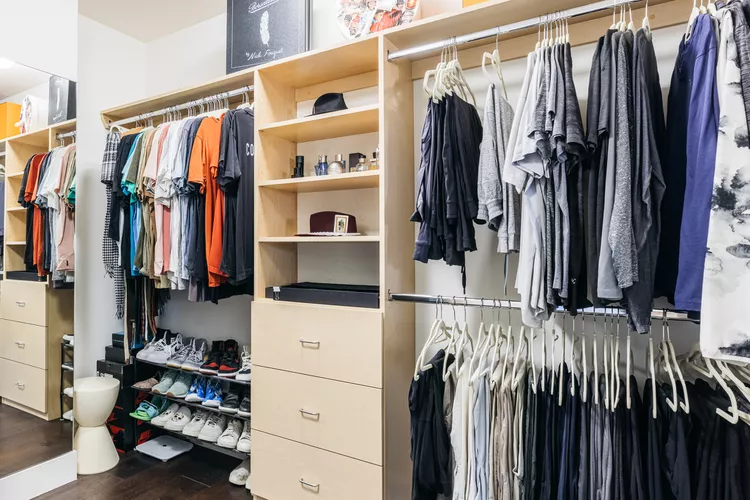
Use slim hangers for pieces that wrinkle and deserve shape. Use sturdy shelf dividers for sweaters that slump into each other like tired pancakes. Use clear bins only when you can see what matters inside. Closed boxes are fine for rare items, but daily wear should stay visible.
A smart shoe rack beats a floor pile every time, yet even that needs restraint. If the rack holds sixteen pairs and you own forty, the problem is not the rack. The problem is the decision you have not made yet. Tools should support habits, not excuse avoidance.
Sapoo gets that balance right because stylish living is not about stuffing more into the same tight space. It is about choosing pieces and storage that pull their weight. Buy fewer organizers, but buy better ones. Your closet will feel sharper, and your patience will last longer.
Protect the Clothes You Actually Care About
Once your closet starts looking better, the next job is protection. Storage is not just about neatness. It is about keeping good clothes good. Heat, dust, bad hangers, and crammed shelves quietly wreck fabrics long before age does.
Heavy knits should stay folded so they do not stretch into sad, droopy versions of themselves. Structured jackets need proper hangers with shape, not those thin wire things that leave little shoulder bumps like cheap souvenirs. Leather bags need breathing room and stuffing, or they collapse into strange forms that no styling trick can hide.
I learned this after hanging a soft wool dress for an entire season. By winter, it had grown two inches and lost its line. Lesson learned. Now the delicate pieces get folded flat, and the expensive ones get treated like they cost money, because they did.
A closet should not only store your wardrobe. It should protect your investment and save you from replacing good pieces early. That mindset changes everything, especially when you finally buy fewer clothes and care more about the ones you keep.
Make the System Easy Enough to Keep
A closet does not need to be perfect. It needs to be maintainable. That is where most tidy-looking systems collapse. They ask too much from you on a normal Wednesday when life is busy, the laundry is half done, and your brain is already tired.
Keep the reset simple. Return hangers to one spot. Leave a donation bag nearby. Give shoes a fixed home that takes two seconds, not ten. If folding a category feels annoying, maybe that category should hang instead. The best setup is the one you can keep without a dramatic monthly rescue.
This matters because consistency beats intensity. A closet cleaned once with heroic effort still fails if it asks for daily discipline worthy of a museum curator. Real homes need room for real life. A little forgiveness is part of the design.
When you build around ease, the space holds. You dress faster. You shop smarter. You stop treating the closet like a hidden mess behind a door. It becomes part of how you carry yourself, and that shift lasts longer than any before-and-after photo.
Your wardrobe does not need more chaos disguised as choice. It needs structure, honesty, and a system you will still respect three months from now. That is the real power of closet tips when they are grounded in daily life instead of pretty nonsense.
The smartest move is to stop chasing perfect and start building useful. Edit what you own, zone it by how you live, protect the pieces that matter, and keep the reset easy. That is how style stops feeling expensive and starts feeling controlled.
Sapoo stands in the right lane here because better living begins with better habits, not louder shopping. So take one shelf, one rail, or one drawer today and fix it properly. Then keep going. Your next great outfit is probably already in your closet. It just needs a fair chance to be seen.
How do I organize a small closet without making it look crowded?
Start by cutting dead weight before you buy a single organizer. Keep your daily clothes in easy reach, use matching slim hangers, and give every category one home. A small closet feels bigger when your layout makes quick sense every morning.
What is the best way to store seasonal clothes in a bedroom closet?
Move off-season pieces to the highest shelf or under-bed bins, but clean them first. Fold knits, protect delicate fabrics, and label containers clearly. You should never bury current staples behind last winter’s coats unless you enjoy making simple dressing unnecessarily annoying.
Which closet organizers are actually worth buying for everyday use?
Buy organizers that solve real problems: slim hangers, shelf dividers, a shoe rack, and clear bins for accessories. Skip trendy containers with vague jobs. If a product looks cute but slows you down, it does not belong in your closet.
How often should I declutter my closet to keep it manageable?
Edit lightly every month and do a deeper clean each season. That rhythm keeps piles from growing teeth. You do not need a dramatic purge every weekend, but you do need regular honesty about what fits, flatters, and gets worn.
Should I fold or hang clothes for better closet organization?
Hang pieces that wrinkle, need shape, or get worn often. Fold heavy knits, tees, and softer items that stack well. The right choice depends on fabric and use. Your closet works better when storage matches the garment, not habit.
How can I organize shoes in a closet without wasting floor space?
Use a low rack, stackable shelves, or vertical cubbies instead of scattering pairs across the floor. Keep your most-worn shoes near the entrance area. Fancy storage is not required. Consistent placement matters more than buying something oversized and impressive.
What is the smartest way to store handbags in a fashion closet?
Store handbags upright on shelves or in open cubbies where you can see them fast. Stuff them lightly to hold shape and avoid crushing them together. Dust bags help, but hiding every bag usually means you stop using half of them.
How do I keep my closet organized after cleaning it once?
Build a system that asks very little from you daily. Give each item a clear home, keep a donation bag nearby, and reset the space weekly. Order lasts when maintenance feels easy, not when it depends on sudden bursts of motivation.
Are matching hangers really important for closet storage and style?
Yes, because matching hangers create visual calm and save space at the same time. They also keep clothes hanging at one level, which makes scanning easier. It sounds minor until you switch. Then the closet suddenly feels less chaotic and cramped.
What should I do with clothes that do not fit right now?
Remove them from prime space and decide whether they deserve storage, tailoring, or donation. Keeping too many “maybe later” pieces clogs your closet and your judgment. A wardrobe should serve your present life, not guilt you from the sidelines.
How do I arrange clothes in a closet for faster outfits?
Group clothes by function first, then refine by color or sleeve length if needed. Keep your repeat-wear pieces front and center. You dress faster when your wardrobe reflects your routine, not when it looks like a showroom nobody actually lives with.
Why does my closet get messy again so quickly after organizing?
Your system probably asks for too many steps or ignores your real habits. If shoes land by the door and jeans live on a chair, work with that truth. A closet stays tidy when the setup fits your life instead of fighting it.