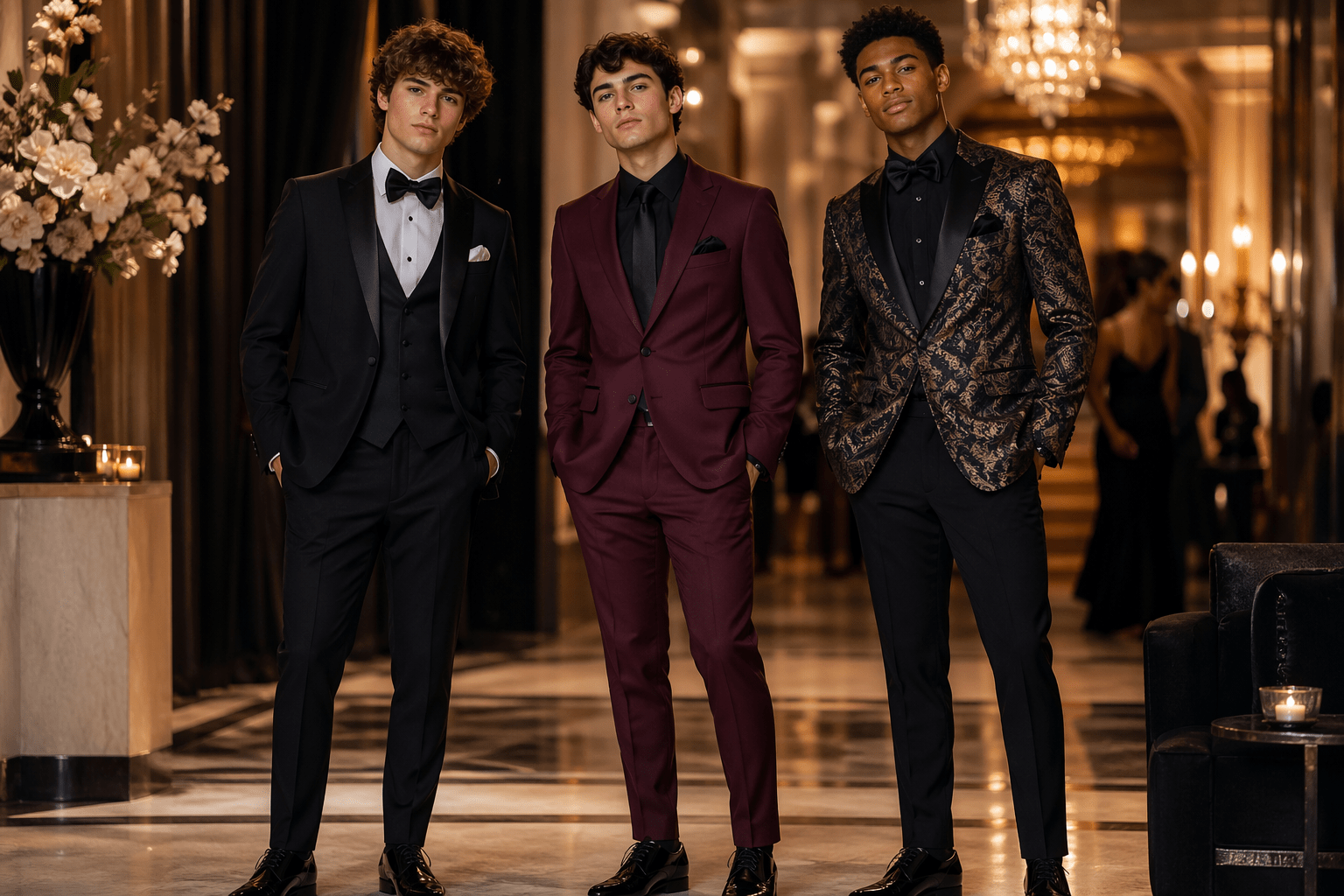

A good closet does not fail because you lack clothes. It fails because too many pieces are asking for attention at the same time. That is why the best wardrobe ideas are not about buying more hangers, copying trends, or stuffing one more shelf with hopeful purchases. They are about editing your space until getting dressed feels easy, sharp, and oddly satisfying.
You know the feeling when you pull on one outfit and suddenly stand straighter. That is not luck. That is a closet built with taste, restraint, and a little honesty about what you actually wear. I have seen people keep “special” tops for two years and still reach for the same black shirt every Friday. Your closet notices your habits even when you do not.
Sapoo understands that style lives in the daily routine, not just in big fashion moments. A polished wardrobe should support your life on a Monday morning, a dinner out, and the ten-minute scramble before both. The goal is not perfection. The goal is ease with standards.
Buy Less, Dress Better
The smartest closet starts with subtraction. Most people treat shopping like repair work, then wonder why their shelves look busy but their outfits still feel flat. Buying random pieces when you are bored, stressed, or chasing a sale creates noise faster than style.
A better move is to define your anchors first. Think one dark trouser that never lets you down, one crisp shirt that behaves under pressure, one knit that looks expensive even when the rest of your week does not. These are not thrilling purchases. That is exactly why they matter.
I once helped a friend cut her clothing pile by a third, and the wild part was this: she dressed better the very next week. The reason was simple. Her strongest pieces finally had room to lead. The weak ones stopped muddying every decision. Less friction, better outfits.
Quality matters here more than quantity ever will. A well-cut blazer in a fabric that holds shape can rescue denim, dresses, and simple tees for years. Three flimsy trend pieces cannot do the same job. Cheap clothes often cost confidence first, money second.
This is where many women finally find their elegant closet style. Not through excess. Through taste, boundaries, and the nerve to stop buying for a fantasy version of themselves.
Build Around Real Outfits
A closet should reflect your life, not your mood board. That sounds obvious until you notice how many people own five party dresses, two office-ready outfits, and absolutely nothing that works for lunch, errands, and a last-minute meeting in the same day.
The fix is to build in full looks, not isolated items. Start with your actual week. Maybe you need polished casual outfits for work, one dependable evening option, and a handful of combinations that survive heat, wrinkles, and indecision. Dress for your calendar first. Style gets better when it meets reality.
This is why one of the strongest wardrobe ideas is outfit mapping. Put together ten complete looks from what you already own. Photograph them. Save them. Wear them. You will spot the gaps fast. Maybe you do not need more tops at all. Maybe you need better shoes or one bag that ties the room together.
A camel trouser with an ivory blouse and slim loafers works because each piece behaves well with the others. A satin skirt bought on impulse may look charming online yet sit untouched for months because nothing around it can carry the same tone. Clothes do not live alone.
Good wardrobes reduce decision fatigue. Great ones remove it almost entirely. When your pieces already know how to work together, mornings stop feeling like negotiations.
Make Storage Look Calm, Not Crowded
Closet beauty is not a luxury. It is a behavior cue. When your space looks cramped, bent, and overstuffed, you start treating your clothes carelessly. Then the whole thing slips from stylish to chaotic in a week.
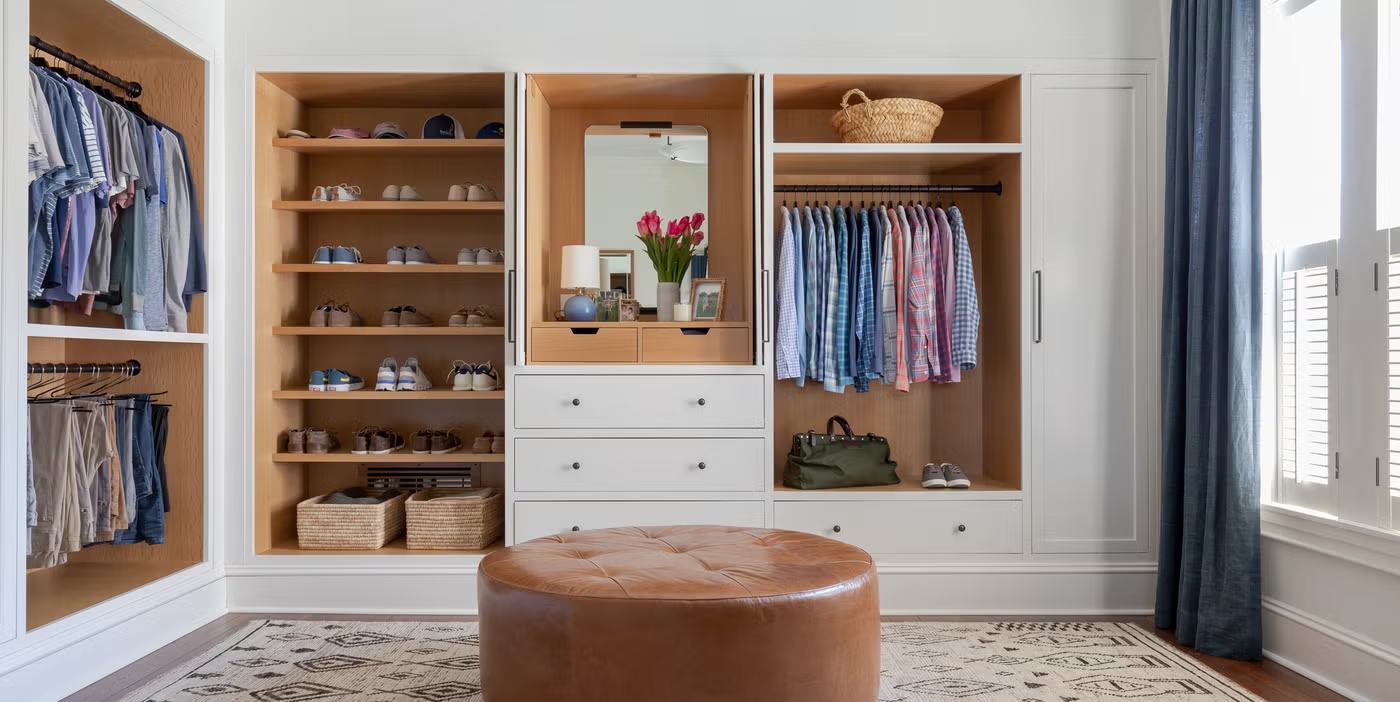
Visual calm starts with spacing. Give your best pieces breathing room. Group similar items together, but do not pack them so tightly that every hanger fights back. A rail with a little empty space looks richer than one crammed to the edges. That empty space is doing real work.
Storage should also match the job. Knitwear belongs folded, not dragged out of shape on hangers. Bags deserve shelves or dust covers, not a lonely heap in the corner. Shoes need enough visibility that you do not forget half of them exist. Out of sight often becomes out of style.
I am stubborn about one thing here: matching hangers matter. People love to mock that advice as fussy, yet the effect is immediate. The closet looks cleaner, the clothing hangs better, and your eye stops tripping over pointless visual clutter. Small fix, huge return.
A calm space also protects your elegant closet style from daily erosion. Style is not just what you buy. It is how you store, maintain, and respect what already earned a place in your wardrobe. Sloppy storage always leaks into sloppy dressing.
Let Fabric Do the Heavy Lifting
Many wardrobes look expensive from a distance and disappointing up close. The usual culprit is fabric. You can have a beautiful color palette and smart shapes, but if the material creases badly, shines oddly, or pills after two wears, the illusion breaks fast.
Fabric is the quiet authority in a closet. Cotton poplin gives shirts a clean edge. Wool blends hold structure in trousers and jackets. Linen brings ease, though it asks you to accept a little rumple as part of the charm. Silk can be stunning, but only if you are willing to care for it properly. Every fabric has a personality.
This is where real judgment matters more than brand names. I have seen unbranded trousers in a weighty fabric beat designer pairs that looked tired after one season. Touch matters. Drape matters. The way a sleeve falls when you move matters.
You do not need a closet full of delicate pieces to look refined. In fact, that often backfires. The strongest wardrobes mix durability with beauty. A soft merino knit, a structured cotton dress, a lined skirt that does not cling at the wrong moment. Those are workhorses with manners.
If your closet feels flat, stop blaming your styling skills first. Check the materials. Better fabric often solves problems people keep trying to fix with accessories.
Give Your Closet a Point of View
The biggest difference between a closet that looks nice and one that feels memorable is point of view. You can own tasteful basics and still dress like you borrowed your personality from a department store display. Safe is fine. Generic is not.
Your closet needs a signature. That might be a loyalty to sharp collars, rich neutrals, long skirts, sculpted bags, or a refusal to wear anything that does not lengthen your posture. The point is not to look dramatic. The point is to look like yourself, only clearer.
One woman I know built her entire wardrobe around navy, cream, and oxblood. Another wore mostly soft stone shades with gold jewelry and low heels. Neither dressed loudly. Both looked unmistakable. That is the trick. Consistency creates identity faster than novelty ever will.
This final shift matters because clothes send signals before you speak. A closet with a point of view tells the world you choose deliberately. That is powerful. Quietly powerful, which is often even better.
And here is the honest part: you will not get there by copying every trend that scrolls past your phone. You get there by noticing what keeps earning repeat wear, what makes you feel composed, and what still looks right six months later. Taste grows through repetition with judgment.
Conclusion
The best closets do not scream for attention. They hold their shape, support your day, and make you feel pulled together before you even leave the room. That is why strong wardrobe ideas are really about discipline with flair. You choose better pieces, store them with care, and build outfits that reflect your life instead of cluttering it with wishful buying.
An elegant wardrobe is not reserved for women with endless budgets or spare rooms lined with glass doors. It belongs to anyone willing to edit bravely and dress with intention. That is the real edge. Not excess. Not labels. Judgment.
Sapoo stands in the middle of that shift by showing that great style is not some distant luxury. It is a daily practice shaped by smarter choices and a sharper eye. Once your closet starts working for you, everything else gets easier, from rushed mornings to special occasions.
So do not wait for a new season to fix the problem. Open your closet, remove the weak links, and build from what deserves to stay. Then take the next step and create a wardrobe that looks calm, feels personal, and wears like confidence.
H2: What are the best wardrobe ideas for a small closet?
Small closets need discipline more than decoration. Keep only pieces you wear often, use matching hangers, and group clothing by type and color. Add shelf dividers and clear boxes. Space matters. A cramped closet always feels harder to style well daily.
H2: How do I make my wardrobe look more elegant on a budget?
Focus on fit, fabric, and color harmony before brand names. Buy fewer pieces, choose calm tones, and tailor key items like trousers or blazers. A budget wardrobe looks refined when everything works together and nothing looks flimsy, tired, or randomly chosen.
H2: How many clothes should an elegant wardrobe have?
There is no magic number because lifestyle changes everything. What matters is coverage. You need enough clothing for work, weekends, events, and weather shifts without owning duplicates that confuse decisions. A tight, useful wardrobe beats a packed one every single time.
H2: Which colors create an elegant closet style?
Neutrals do the heavy lifting because they mix easily and calm the eye. Black, cream, camel, navy, taupe, and soft white create a polished base. Then add one accent shade you love. Repeating a controlled palette makes the whole closet feel intentional.
H2: What should I remove from my closet first?
Start with clothes that itch, pull, sag, stain, or make you hesitate. Then remove items bought for fantasy situations you never attend. Be honest. If something survives only because it was expensive, it is taking up room your better pieces deserve instead.
H2: How do I organize clothes without making my closet look stiff?
Use structure, not harshness. Group similar pieces, leave breathing room, and fold knits neatly while keeping everyday items visible. Then add one soft personal touch, like a scented liner or jewelry tray. Order should support your style, not make it feel cold.
H2: Are matching hangers really worth it for wardrobe organization?
Yes, and more than people think. Matching hangers create visual calm, help clothing sit evenly, and stop the closet from looking messy before you even touch a garment. It is a simple upgrade that makes everything feel cleaner, sharper, and easier to manage.
H2: How can I build outfits faster every morning?
Create ready-made formulas you trust, such as trousers with a knit and loafers or a skirt with a shirt and belt. Photograph complete looks and save them on your phone. Fewer morning choices mean less stress and far better consistency through the week.
H2: What fabrics make clothes look more expensive?
Look for cotton poplin, wool blends, linen with good weight, quality denim, and smooth knits that hold shape. These fabrics drape better and age more gracefully. Shiny synthetics and thin materials often betray a garment quickly, even when the cut looks decent.
H2: Can trendy pieces still fit an elegant wardrobe?
Yes, but only when they support your core style instead of hijacking it. Add trends in smaller doses through shoes, bags, color, or one standout item. When every purchase chases novelty, the closet loses identity and your outfits start feeling confused fast.
H2: How often should I edit and refresh my wardrobe?
Do a light review each season and a deeper edit twice a year. Check fit, wear, fabric condition, and how often you reached for each item. Wardrobes drift slowly. Regular edits keep clutter from quietly returning and protect the standard you worked for.
H2: Why does my closet have plenty of clothes but no outfits?
Because random pieces do not create automatic combinations. You probably have items you like individually but not enough harmony across fit, color, or purpose. Outfits come from connection. Once your pieces speak the same language, getting dressed becomes much easier.