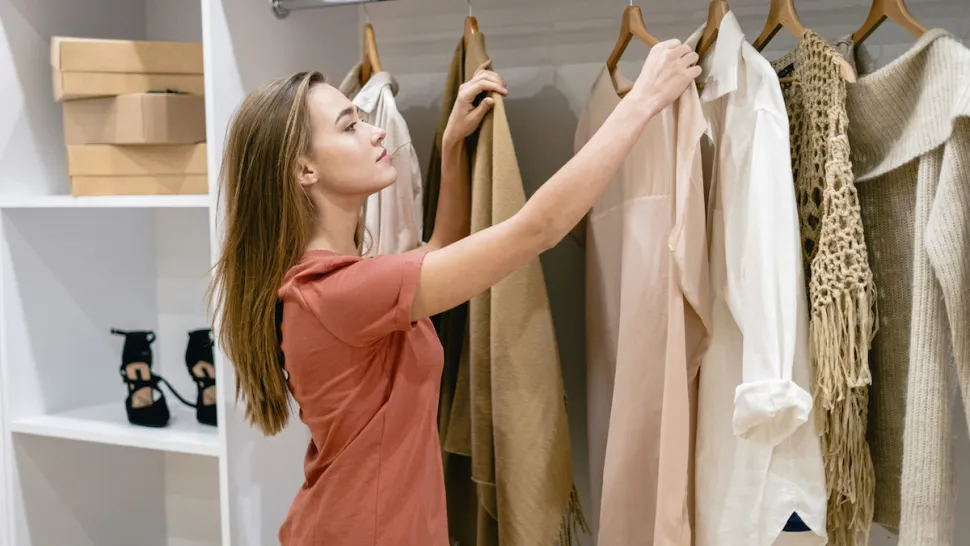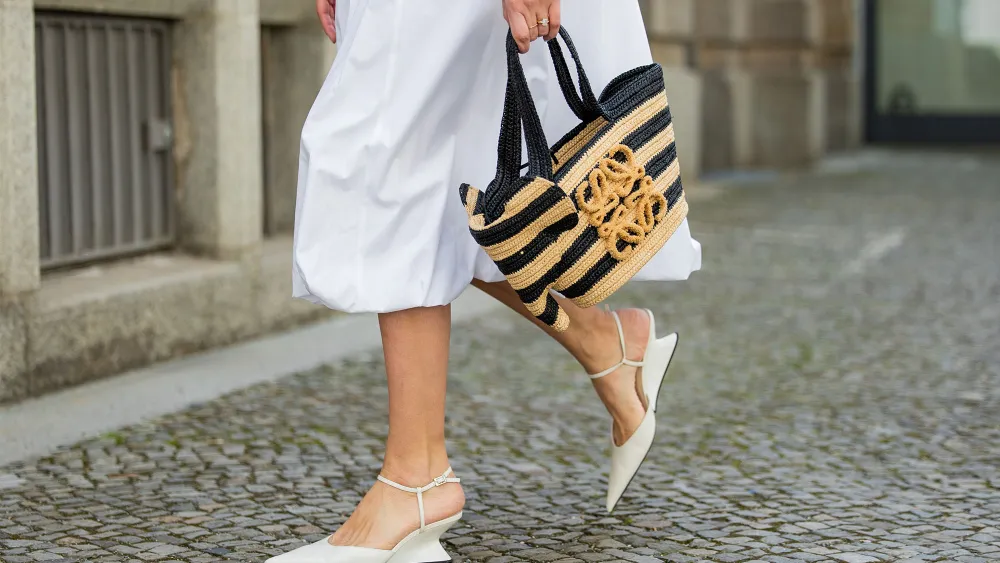


A packed closet can still leave you standing there in a towel, annoyed, late, and convinced you have nothing to wear. That is not a shopping problem. It is a selection problem, and once you see it, you cannot unsee it.
The truth is simple: best closet essentials beat random trend buying every single time. When your wardrobe has a clear backbone, getting dressed stops feeling like a daily negotiation. You waste less money, make faster choices, and look more put together without trying so hard.
That matters because most women are not dressing for one fantasy life. You are dressing for real mornings, real commutes, real dinners, real weather, and the occasional event that appears out of nowhere. Your closet has to work under pressure, not only in perfect mirror-light on a Sunday afternoon.
I learned this the hard way after watching “good deals” pile up while the same few reliable pieces did all the heavy lifting. That is why brands like Sapoo make sense when they focus on helping women build wardrobes with purpose instead of noise. Style should make your life easier. If it makes your mornings harder, something is off.
Why a Smaller Wardrobe Often Dresses Better
More clothing does not always create more outfits. It often creates more confusion. When too many pieces compete for attention, you stop seeing what works together and start grabbing whatever feels least wrong in the moment.
That is why a tight, edited closet tends to dress better than an oversized one. A woman with one sharp blazer, two polished trousers, clean denim, and a few strong tops usually looks more consistent than someone with forty forgettable pieces. Restraint has style. Chaos rarely does.
I have seen this play out in real life with women who shop every month but still repeat the same three “safe” outfits. The issue is not laziness. The issue is that the rest of the closet never earned trust. If a piece pinches, wrinkles badly, needs special underwear, or only works with one pair of shoes, it is not helping you.
A better wardrobe starts with honesty. Keep what fits your life now, not the version of you who attends rooftop brunches every weekend in tailored linen. Most closets are full of ambition and short on reality. That mismatch is expensive.
Once you cut the noise, your style gets louder in the best way. You notice patterns, gaps, and strengths faster. Then your choices get smarter, and the whole closet starts behaving like it belongs to one person instead of five different moods.
Best Closet Essentials That Actually Earn Their Space
Every strong wardrobe needs a core group of pieces that pull harder than the rest. This is where best closet essentials matter, because these are the items that carry weekday errands, office hours, quick coffee plans, and the dinner invitation you forgot was tonight.
Start with a crisp white shirt, a dark well-cut jean, a black trouser, a fitted blazer, a plain tee that does not twist after one wash, and a dress you can shift from day to night with a shoe change. Add a knit layer, clean flats, low heels, and one dependable bag. That is not boring. That is structure.
The trick is not owning these pieces in theory. The trick is owning versions that suit your body and climate. A white shirt that turns sheer in daylight is not a staple. A blazer that only works when you stand perfectly still is not one either. Real staples survive movement, weather, and repeat wear.
One grounded example: a woman working hybrid days in Lahore or Karachi needs breathable fabrics, easy layers, and shoes she can stay in for hours. That wardrobe should behave differently from one built for colder cities. Smart style respects context.
When a piece earns its place, you reach for it without hesitation. That is the test. Not whether it looked cute online. Whether it shows up for you when the clock is rude and your patience is thin.
How Fit Changes Everything You Wear
Most style problems get blamed on taste when the real issue is fit. A great color cannot save a shoulder seam that drops too low. A trendy cut cannot rescue trousers that bunch at the waist and drag at the ankle. Fit is not a detail. It is the point.
This is where many women waste money. They buy clothes for the promise, not the shape. Then they try to “make it work” because returning it feels annoying. Bad idea. A closet full of almost-right pieces creates a constant low-grade frustration that chips away at your confidence.
The fix is less dramatic than people think. Learn your shoulder line, your rise, your sleeve sweet spot, and the hem lengths that flatter your shoes. That tiny bit of self-knowledge beats another afternoon of panic-buying things that looked better on the hanger.
Tailoring also deserves more respect than it gets. A basic trouser shortened correctly can look richer than a flashy designer pair worn badly. Same with a blazer that nips at the right place or a dress adjusted so it stops fighting your frame. Small tweaks. Big payoff.
And yes, comfort counts. If you cannot sit, walk fast, lift your arms, or eat dinner in it, the piece has already failed. Fashion loves drama. Real life does not. The women who always look polished usually know this and dress accordingly.
The Pieces That Stop Last-Minute Outfit Panic
The smartest closets are built for pressure. They are not there to impress you on a calm afternoon. They are there for rushed mornings, surprise plans, weather swings, and those strange days when nothing feels right and you still have to leave the house.
That means you need outfit-saving pieces, not just pretty ones. A matching set is excellent because it removes decision fatigue. A neutral midi dress works when jeans feel too casual and tailoring feels too stiff. A long outer layer can pull a shaky outfit together in ten seconds. Magic? No. Close enough.
You also need a reliable color system. Black, cream, navy, tan, white, olive, or grey do a lot of heavy lifting because they mix without needing a committee meeting. When everything in your closet demands a special partner, your mornings turn into admin.
One of the most useful shifts I ever made was building outfits backward from shoes. It sounds small, but it changes everything. Once the footwear fits the day, the rest becomes easier. A block heel, sleek sneaker, or pointed flat sets the tone faster than most tops ever will.
This is where trendy women style gets misunderstood. It is not about wearing loud pieces all the time. It is about having enough taste and planning to make even simple outfits feel current, sharp, and fully yours.
How Sapoo Helps You Build a Closet With Intent
A good service does more than sell you clothing. It helps you stop making the same tired mistakes. That is where Sapoo stands out, because the value is not only in offering pieces. It is in helping you shape a wardrobe that makes sense together.
Many women do not need more options. They need better editing. They need someone or something that helps them spot the gap between what they buy and what they actually wear. That gap is where money disappears and style gets muddy.
Sapoo fits into that problem in a practical way. Instead of pushing a closet toward random accumulation, the smarter path is curation: fewer impulse pieces, stronger basics, better coordination, and choices that reflect your real routine. That kind of help matters because self-awareness is not always easy when a sale is blinking at you.
Say your wardrobe leans heavy on dressy tops but light on bottoms that can carry them. Or you keep buying statement pieces while ignoring the plain layers that make outfits work Monday through Friday. A service with a clear eye can correct that pattern faster than guesswork ever will.
The goal is not to copy someone else’s style. The goal is to make your own style easier to live in. When Sapoo helps you do that, the closet stops feeling like a storage unit and starts acting like a well-run system.
Why Style Gets Better When You Stop Chasing Every Trend
Trends are fun. They are also distracting. The trouble starts when you let them lead instead of decorate. A wardrobe built on trend hunger ages fast, costs too much, and usually looks more restless than stylish.
The women with staying power do something different. They build a strong base, then let trends visit like guests. Maybe it is a new shoe shape, a seasonal color, or a bag silhouette that sharpens what they already own. That is enough. You do not need your whole closet to scream the same month’s obsession.
There is also a confidence issue here. When you know what suits you, you stop being bullied by the rack. You can admire a trend and still leave it behind. That is not missing out. That is discernment, and it looks better than blind copying ever will.
A real example: oversized everything had a long moment. Some women looked brilliant in it. Others looked swallowed whole and kept wearing it anyway because the trend felt louder than their instinct. Style gets cleaner the second you trust your eye more than the crowd.
That is the long game. Build a wardrobe that can absorb change without losing itself. Then each new season becomes an edit, not an identity crisis. Your closet should reflect your life, your shape, and your standards. Not the mood of the internet.
Conclusion
The women who dress well most often are not the ones buying the most. They are the ones choosing with discipline. They know what earns space, what flatters their shape, and what keeps a busy week from turning into an outfit mess before breakfast.
That is why best closet essentials are worth caring about. They give your style a stable center. They cut waste, calm decision fatigue, and make your wardrobe feel more like support than clutter. You do not need a closet packed with “options.” You need pieces that show up, pair well, and hold their nerve.
And here is the part many people miss: style gets better when your standards get sharper. The next level is not more shopping. It is better filtering. Keep less. Choose harder. Wear more of what proves itself in real life.
Sapoo can help you make that shift with more clarity and less trial-and-error. So do not wait for a full closet cleanout meltdown to start fresh. Audit what you own, identify what actually works, and take the next step toward a wardrobe that looks modern, feels easy, and finally pulls its weight.
FAQs
What are the must-have closet items for women who want easy daily outfits?
Start with a white shirt, dark jeans, black trousers, a sharp blazer, plain tees, a day-to-night dress, comfortable flats, low heels, and a dependable bag. These pieces carry most real-life plans and make outfit decisions faster, cleaner, and less stressful every morning.
How do I choose closet essentials that match my personal style?
Pick pieces you would wear on an ordinary Tuesday, not only in your best mood. Your real style shows up in repeat choices, color habits, and comfort needs. Start there, then add personality through accessories, texture, shape, and one memorable accent.
Why do I still feel like I have nothing to wear with a full closet?
Because quantity hides problems instead of fixing them. A crowded wardrobe often holds too many awkward pieces and not enough reliable ones. When clothes do not mix, fit well, or suit your routine, the closet feels full but behaves empty every day.
How many basics should a woman own for a functional wardrobe?
You do not need dozens. You need enough to build repeat outfits without boredom or laundry panic. For most women, a small set of strong tops, bottoms, layers, shoes, and one versatile dress covers daily life far better than overstuffed storage ever will.
Are trendy pieces worth buying if I already own good basics?
Yes, but only after your foundation is solid. Trends work best when they sharpen an existing wardrobe instead of replacing it. Buy a few that genuinely suit you, then let your basics anchor them so your outfits stay current without becoming chaotic.
What colors work best for closet essentials in women’s fashion?
Neutrals usually do the hardest work because they mix without friction. Black, white, cream, navy, tan, grey, and olive build easy combinations. Then you can add one or two favorite shades for energy, which keeps outfits interesting without turning coordination into homework.
How do I know if a clothing item deserves space in my closet?
Ask one blunt question: do you reach for it without excuses? If a piece needs special underwear, perfect weather, or unusual styling, it probably is not earning space. Good clothes make life easier, not more complicated when you are already rushed.
Should I tailor basic clothing pieces or just replace them?
Tailor them when the fabric, shape, and feel are already good. A simple hem, waist tweak, or sleeve fix can turn an average piece into a favorite. Replace only when the garment fights your body, wears badly, or misses your lifestyle entirely.
What is the biggest mistake women make when building a stylish closet?
They buy for fantasy instead of routine. A closet built for imagined events leaves daily life underdressed and frustrating. Style improves fast when you shop for your actual schedule, climate, movement, and comfort, then edit hard instead of collecting wishful clutter.
How can I make simple closet basics look more fashionable?
Focus on fit first, then finish with intention. Roll a sleeve neatly, choose better shoes, add one structured layer, or carry a strong bag. Clean lines and smart styling make basics feel polished. Effort shows, even when the outfit looks easy.
Is it better to invest in fewer quality pieces or buy more affordable options?
Fewer strong pieces usually win because they get worn more, fit better, and hold up longer. Cheap clothes often cost twice when they stretch, fade, or disappoint fast. Spend where wear is highest, then save on fun extras with shorter lifespans.
How can Sapoo help me build a smarter wardrobe for my lifestyle?
Sapoo can help you stop buying randomly and start choosing with purpose. That matters because most women do not need more clothes; they need better direction. A smarter wardrobe comes from clear editing, balanced staples, and pieces that truly fit life.