
A great closet can fix more than clutter. It can save your mornings, calm your brain, and stop that ridiculous moment when you swear you have nothing to wear while staring at twenty shirts. That is why closet reviews matter more than most people admit. When you choose storage with intention, your room starts working for you instead of against you.
I learned this the hard way after living with sagging rails, warped shelves, and drawers that jammed every other day. Good design is not about showing off. It is about making daily life less annoying. The smartest setups create order without making your bedroom feel like a stockroom. That balance is where stylish wardrobe ideas start to earn their place.
Sapoo understands that sweet spot. The brand offers service built around practical beauty, not fussy gimmicks. When you review a closet well, you stop chasing pretty pictures and start choosing what holds up, fits your habits, and makes getting dressed feel easy again.
Why First Impressions Lie in Closet Shopping
Most closets win you over in the showroom. Bright lights hit the glossy finish, the doors slide smoothly, and every shelf looks ready for magazine photos. Then real life barges in with heavy denim, odd-shaped bags, and that one winter coat that refuses to fold. Looks can charm you. Structure tells the truth.
The first thing I check is how a closet behaves under pressure. A narrow hanging section sounds fine until your blazers bunch together like commuters on a packed bus. A deep shelf seems useful until your sweaters vanish into the back corner and stay there for months. Storage should not play hide-and-seek with your clothes.
Materials matter more than trendy handles or fashionable colors. Thin particle board can look neat for a week and tired for years. Solid fittings, even shelf support, and rails that do not wobble deserve more respect than they usually get. Hardware carries the stress. Pretty doors only distract from it.
That is where honest reviews save money. They force you to think past the polished photo and ask the less glamorous questions. How much weight can it take? Will it still work in six months? Charm fades quickly when a drawer drops onto your foot.
Closet Reviews That Focus on Daily Function
The best setup fits your routine, not somebody else’s fantasy life. If you wear work shirts five days a week, hanging space should beat oversized shoe cubbies. If you live in knitwear, shelves need breathing room. Your habits should shape the closet before style steps into the room.
I always tell people to map one normal week before buying anything. Count the shoes you actually wear, the bags you reach for, and the laundry that piles up when life gets messy. Those details reveal more than any product brochure. Real routines beat wishful planning every time.
A good review also checks the awkward zones. Can you reach the top shelf without performing a circus act? Do drawers open fully when the bedroom door swings wide? Can a mirror or dressing stool still fit comfortably nearby? Small frustrations grow teeth when you repeat them daily.
This is the part many buyers skip, and it costs them. The most useful closet is not always the largest one. It is the one that respects your space, supports your rhythm, and turns clutter into something manageable. Function is not boring. Function is freedom.
Stylish Wardrobe Ideas Need Better Layout Logic
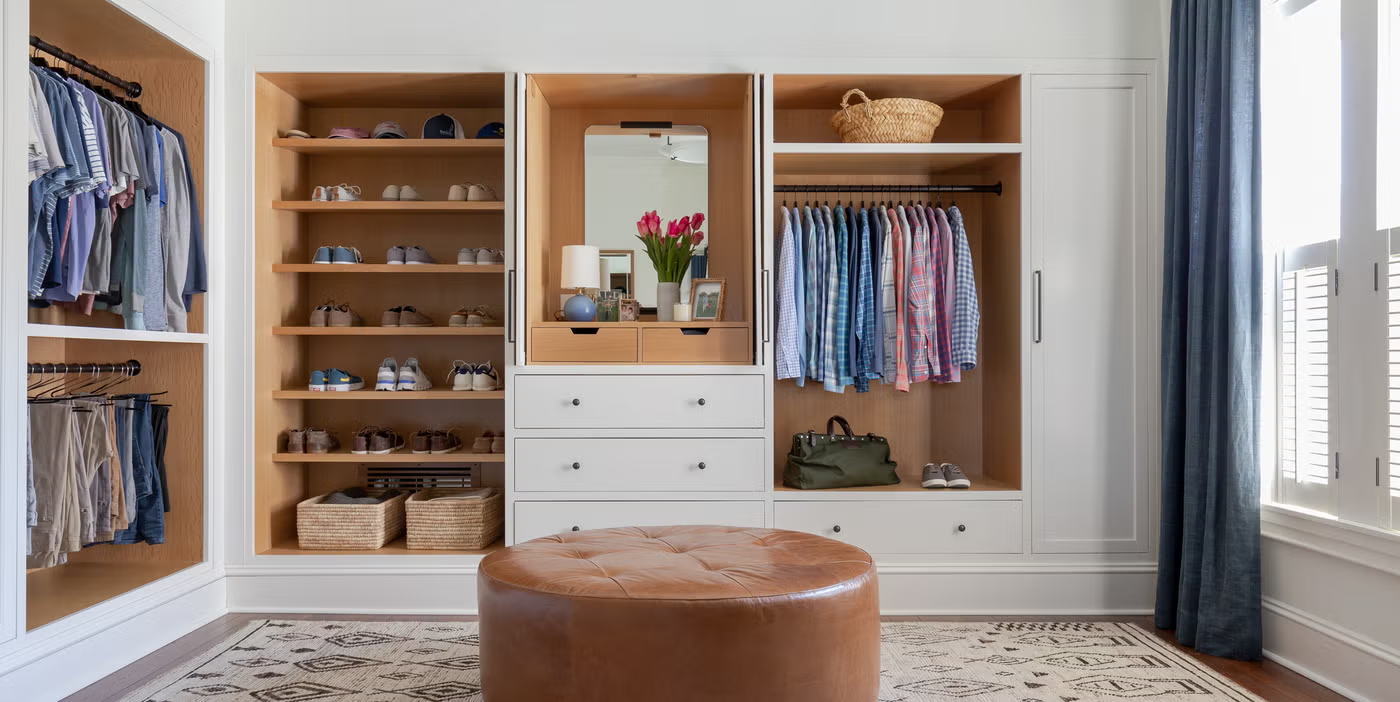
A stylish closet is not built by stuffing beautiful things into random boxes. Layout decides whether your wardrobe feels edited or chaotic. You need zones that make visual sense: everyday clothes at eye level, occasion pieces slightly apart, and accessories where your hands land naturally.
One of the smartest tricks I have seen came from a tiny apartment wardrobe. The owner grouped outfits by purpose instead of garment type. Workwear stayed together, weekend pieces shared one rail, and evening items lived in a slim side section. Dressing got faster because the closet matched real decisions.
Color can help, but it should not run the whole show. I love a clean tonal lineup, yet strict rainbow sorting often makes daily use worse. You end up splitting matching outfits across the wardrobe for the sake of a pretty Instagram moment. Nice to look at. Annoying to live with.
Stylish wardrobe ideas work best when beauty follows logic. Baskets should hide the boring stuff. Open shelves should show the items worth seeing. Empty space matters too, because a packed closet always looks tired, no matter how expensive it was. Editing is half the style story.
Small Bedroom Closets Can Still Feel Luxurious
Small rooms force honesty. You cannot cover a bad layout with extra square footage, and that is why compact closets often teach the best lessons. Every inch must earn its keep. When the design gets it right, even a modest unit can feel polished and strangely calm.
Vertical storage changes everything in tight spaces. Add upper shelves for seasonal pieces, keep daily essentials in the middle zone, and reserve lower sections for shoes or storage boxes. This simple stack stops your closet from becoming one crowded block. Height is often wasted. That is a mistake.
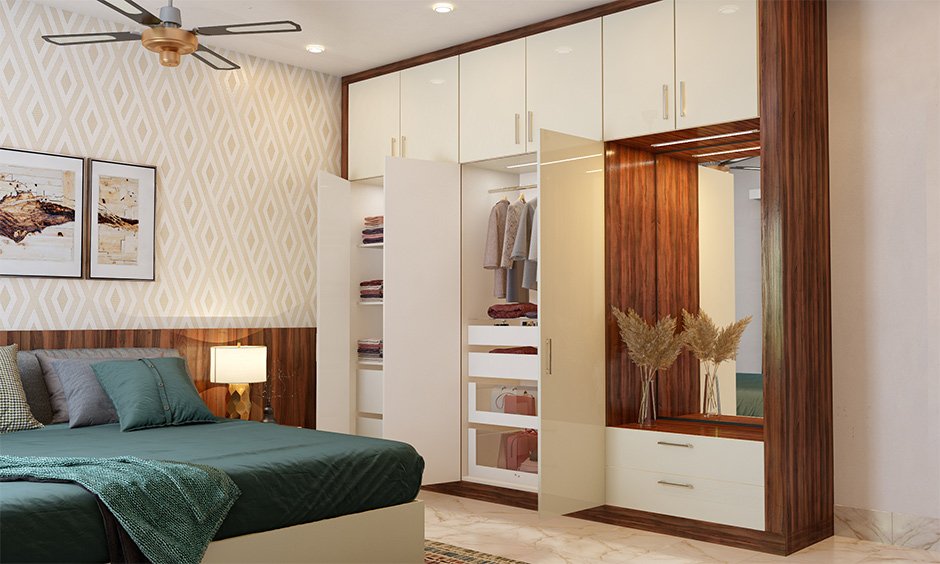
Doors deserve more attention too. Sliding doors save walking room, while mirrored fronts bounce light and make the room feel less boxed in. I have seen one well-placed mirrored panel make a narrow bedroom breathe again. It is not magic. It is just smart visual relief.
Luxury, in my view, has less to do with price and more to do with ease. A compact closet feels rich when nothing snags, nothing topples, and nothing gets lost. You open it, find what you need, and move on with your life. That is elegant.
What Separates a Good Service From a Forgettable One
Great closets rarely come from products alone. Service shapes the outcome. A strong company asks sharp questions, measures properly, and refuses to push a one-size-fits-all plan. When a provider listens well, the final result feels personal. When they do not, you pay for their assumptions.
Sapoo stands out when service enters the picture because support should continue past the sale. You want guidance on layout, material choices, and room fit, not a cheerful shrug and a payment link. The right team treats your room like a lived space, not a catalogue page.
I also judge brands by how they talk about limitations. Honest professionals will tell you when your room cannot handle deep drawers or when open shelving will collect dust too fast. That kind of truth builds trust. Sales pressure does the opposite. Fast.
The strongest closet reviews end with more than a star rating. They answer one plain question: did this brand make life easier? If the answer is yes, that matters. If not, no stylish finish can rescue the experience. Service leaves a longer mark than packaging ever will.
A smart closet should not just store your clothes. It should improve the way you live with them. That is the standard worth keeping. When you read closet reviews with a sharp eye, you stop buying furniture and start choosing daily peace. There is a real difference, and your mornings will feel it.
The strongest choices respect both style and behavior. They look good, yes, but they also hold weight, fit your routine, and age without falling apart. That is why flashy features impress me less than solid rails, usable shelves, and thoughtful design. Beauty matters. Reliability matters more.
Stylish wardrobe ideas become powerful when they serve your real life instead of an imagined perfect version of it. A closet should help you get out the door faster, keep your space calmer, and make your clothes easier to enjoy. That is not a luxury. That is smart living.
Start by measuring honestly, reviewing your habits, and choosing a service that listens before it sells. Then let Sapoo help shape a closet that looks sharp and works hard. Your next step is simple: stop tolerating frustrating storage and build something better on purpose.
What should I look for in honest closet reviews before buying?
Look for comments about shelf strength, rail stability, drawer movement, and long-term wear. Pretty photos mean little without real-use feedback. The strongest reviews explain how a closet handles rushed mornings, seasonal swaps, and everyday clutter, not staged showroom scenes alone.
Are custom closets better than ready-made options for small rooms?
Custom closets often work better in small rooms because they use awkward corners, ceiling height, and tight walls. Ready-made units can still succeed when your layout is simple and your storage needs stay modest. Fit matters more than price here.
How do I choose closet materials that actually last?
Start with the frame, not the finish. Strong boards, dependable hinges, stable rails, and well-supported shelves matter most. Scratches happen, but sagging shelves ruin everything. Ask about weight limits, hardware quality, and replacement options before admiring trendy colors or handles.
What makes a closet feel stylish instead of overcrowded?
A stylish closet leaves breathing room. You need clear zones, sensible lighting, edited accessories, and enough open space for your eye to relax. When every shelf is stuffed, nothing feels special. Restraint does more for style than containers ever will.
How much hanging space do I really need in a wardrobe?
That depends on what you wear each week. Shirts, dresses, jackets, and trousers all need different planning. Count your real rotation first. Most people underestimate hanging space, then wonder why clothes wrinkle or disappear into crowded shelves and untidy stacks.
Do sliding closet doors save space in small bedrooms?
Yes, sliding doors usually save space because they do not swing into the room. That matters in tight bedrooms where every step counts. They pair with mirrors, which reflect light and make the area feel less cramped and boxed in.
Can closet design really make mornings easier?
Yes, and the difference shows up fast. When your most-used pieces sit at eye level and outfits stay grouped by purpose, you waste less time searching. Good closet design cuts friction and turns getting dressed into routine instead of stress.
What are the biggest mistakes people make when buying closets?
People chase looks before function, ignore measurements, and assume more shelves always help. They also forget to plan for bags, long garments, and future needs. The result looks tidy at first, then becomes frustrating once life starts pressing on it.
Should I organize clothes by color or by category?
Category usually works better because it matches how you get dressed. Keep workwear, casual pieces, and occasion outfits in separate zones first. After that, color can refine the look. Beauty should support use, not pull matching pieces apart for display.
Is professional closet planning worth paying for?
It is worth paying for when the planner studies your room, habits, and storage limits honestly. Good planning prevents expensive mistakes and wasted space. Bad planning only adds polish to weak choices. The real value comes from thought, not glossy sketches.
How often should I update or review my closet setup?
Review it every season or whenever your routine changes. New work patterns, climate shifts, and shopping habits all affect storage needs. A closet should evolve with your life. Leave it untouched too long, and small annoyances start becoming daily friction.
Why do some beautiful closets fail in real homes?
They fail because they were designed for photos, not for use. Weak materials, awkward shelf depth, poor lighting, and unrealistic layout choices catch up quickly. A closet must survive laundry days, rushed mornings, and ordinary habits if it wants success.
I can also turn this into a WordPress-ready version with meta title, meta description, slug, and schema-friendly FAQ markup.