
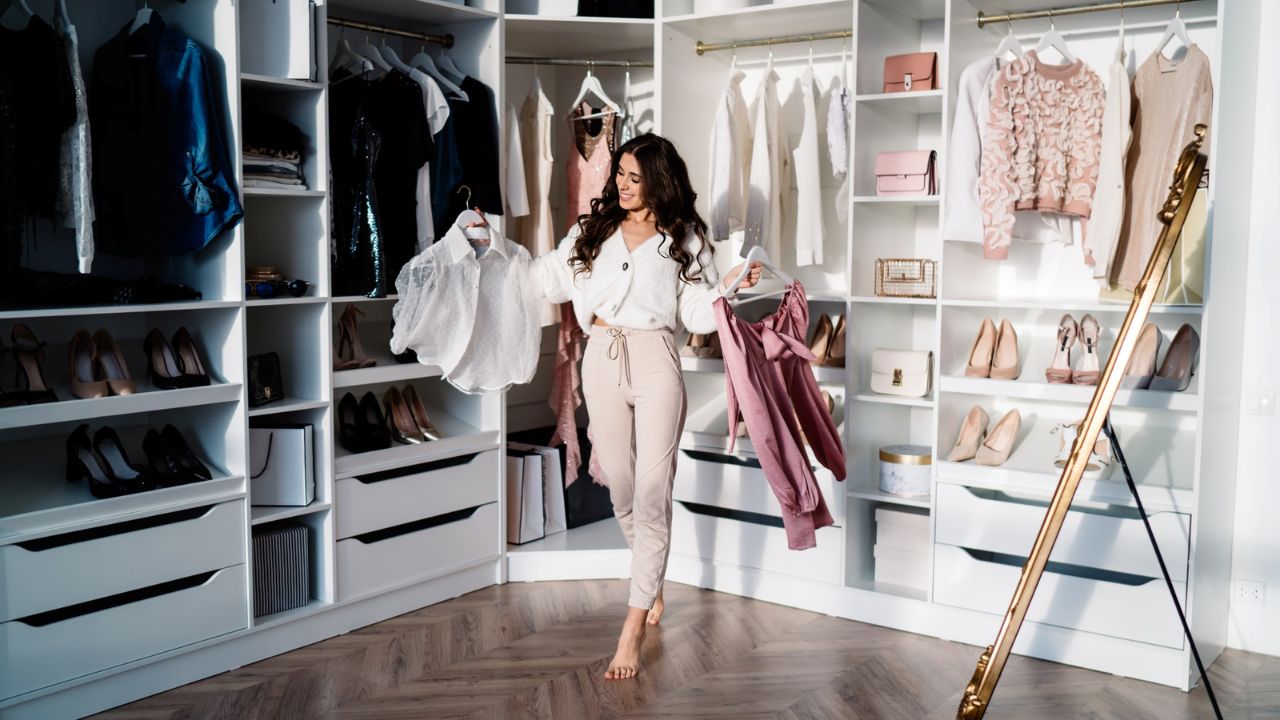
A great closet can save your morning before your coffee even gets the chance. A bad one can turn a five-minute outfit choice into a full emotional event. That is why a closet guide for modern women matters more than most people admit.
Style does not begin when you buy something new. It begins when you can see what you own, trust what fits, and reach for pieces that still feel like you on a rushed Tuesday or a dressed-up Saturday night. Too many closets hold guilt, clutter, and clothes bought for some fantasy life that never showed up. Real style asks for something more honest. It asks for a wardrobe that works with your schedule, your body, and your taste right now.
This is where Sapoo earns its place. The brand understands that women do not need more random clothing chaos dressed up as choice. They need smart support, better systems, and pieces that make daily dressing feel easier and sharper.
You are not building a museum. You are building a working wardrobe with a point of view.
Your Closet Should Match Your Real Life First
Most style problems are not fashion problems at all. They are life mismatch problems. You buy for vacations, dream jobs, future weight, or someone else’s taste, then wonder why getting dressed still feels flat. A closet only gets better when it starts telling the truth.
Start with the week you actually live. Count how often you need polished office looks, relaxed casual outfits, modest event dressing, or fast errand clothes that still look pulled together. One woman may need crisp trousers and soft blouses five days a week. Another may need elevated denim, long shirts, and easy layers because she works from home and still wants structure. Both closets can look stylish. They just should not look the same.
That shift changes everything. You stop shopping for fantasy and start dressing with purpose. Fewer pieces end up ignored at the back of the rail. Fewer mornings feel like a guessing game. Better still, you begin to spot what is missing instead of buying the fifth version of what already hangs there.
This is also the right moment to be a little ruthless. If something pinches, droops, rides up, or makes you negotiate with yourself in the mirror, it is costing you more than closet space. It is costing ease. Let it go.
Once your closet reflects your real week, style stops feeling random. It starts feeling earned.
Build Around Core Pieces That Pull Their Weight
After honesty comes structure. This is where many women go wrong because they chase statement items before building the backbone. A dramatic jacket is fun. A closet full of drama and no basics is exhausting.
Your foundation should carry the heavy load. Think one great pair of black trousers, one denim cut that flatters without argument, a white shirt that does not fight your shape, a dress that works with both flats and heels, and outerwear that finishes a look instead of apologizing for it. Those are not boring pieces. They are the adults in the room.
A strong base also gives you freedom. When your everyday pieces already work together, you can add one vivid scarf, a sharp handbag, metallic shoes, or a patterned blouse without turning the whole outfit into a debate. That balance matters. Style looks richer when it feels edited.
This is where a closet guide for modern women becomes practical, not decorative. You need pieces that can move across settings with small changes. A blazer over a knit dress can handle work, dinner, and a family lunch the next day. That kind of range is worth more than clothes that only shine in one narrow moment.
Sapoo’s appeal fits right into this logic. The brand speaks to women who want order, beauty, and function in the same sentence. Frankly, that should be the baseline.
A closet with strong core pieces gives you options. Not endless options. Better ones.
Stop Organizing by Category Alone and Start Organizing by Use
Most closets are arranged like stockrooms. All trousers together. All tops together. All dresses together. That sounds neat, but it often fails in real life because it ignores how you actually get dressed. Clean lines help, but useful lines help more.
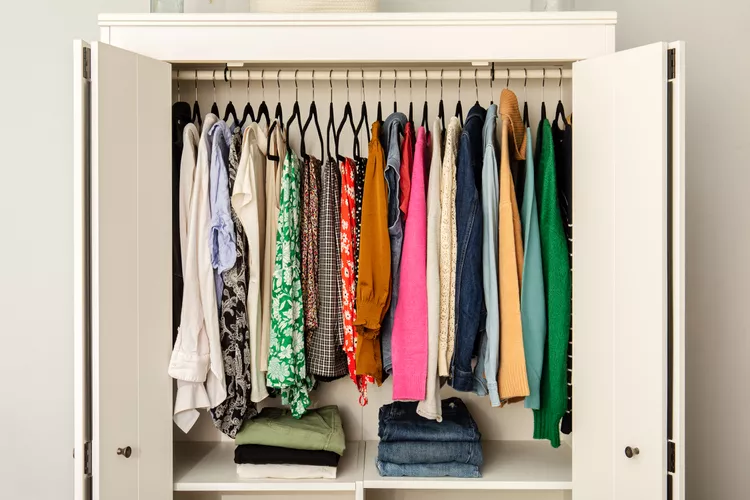
Try organizing by role first. Put your weekly work heroes in one visible zone. Keep your quick casual pieces together. Create a small section for occasion wear so it stops interrupting your daily choices. Shoes should sit where your most-used pairs are easiest to grab, not hidden like family secrets. Bags deserve the same respect.
This is where smart wardrobe organization tips do real work. Visibility beats volume every time. When your best pieces are easy to see, you wear them more. When your closet hides good clothes behind clutter, you keep repeating the same three outfits and blaming your wardrobe instead of your setup.
I have seen women with modest closets dress far better than women with packed ones because they built access into the system. One friend used slim hangers, shelf dividers, and a simple top-shelf basket for off-season items. Nothing fancy. The effect was dramatic. She stopped panic-buying and started wearing what she owned.
Good organization also protects your style standards. When the closet feels calm, you make cleaner choices. When it feels messy, you dress from stress.
That is not vanity. That is environment shaping behavior.
Style Grows Faster When You Edit With Intention
Buying is easy. Editing takes nerve. Yet editing is where real taste shows up. A modern closet does not need to be huge, but it does need to be selective.
Set a simple test for every piece. Does it fit well today? Does it pair with at least three other things you own? Does it suit your current life? Would you buy it again at full price? Harsh questions, yes. Useful ones too. Clothes fail quietly, and that is why they hang around so long.
This section matters because many women confuse sentimental value with style value. Your old interview blazer may remind you of a proud season, but memory alone cannot make a bad shoulder line look good. Keep a few meaningful pieces if they truly matter. Just do not let nostalgia run the closet.
Editing also helps you shop with a cooler head. Once you know your color range, preferred silhouettes, and weak spots, stores lose some of their power over you. Suddenly you can walk past a trendy item and say, nice try, but not for my life. That is maturity in fashion form.
Use one of the simplest wardrobe organization tips around: keep a donation bag nearby for two weeks after every closet review. If you hesitate on an item again during that period, out it goes. Delay creates clutter. Decision creates space.
A thoughtful edit leaves room for better pieces, better outfits, and better instincts.
The Best Closet Is the One That Makes Daily Dressing Feel Easy
A stylish closet should not demand applause. It should quietly make your life better. That is the standard. Ease is not laziness. Ease is proof that your wardrobe finally makes sense.
At this stage, focus on outfit readiness. Build a few trusted combinations and repeat them without guilt. Women with strong style do this all the time. They know the navy trousers and cream blouse always work. They know the long black dress needs only gold hoops and a clean sandal. Repetition is not failure. It is identity.
You should also leave breathing room for mood. Some days call for structure. Some call for softness. Your closet should serve both without sending you into chaos. That is why fabric, fit, and comfort deserve the same respect as color and trend. A beautiful piece that feels awful will lose every time.
There is also a social truth here. People do not usually remember every detail of what you wore. They remember whether you seemed comfortable in yourself. That calm presence often begins in the closet, long before you leave the house.
Sapoo belongs in this conversation because good service should support confidence, not just sales. Women deserve wardrobes that look polished and feel possible.
The best closet does not impress from across the room. It earns trust at 7:15 in the morning.
Your closet can hold more than clothes. It can hold clarity.
Conclusion
A smart wardrobe does not happen by accident, and it definitely does not happen through random shopping bursts. It comes from honesty, editing, structure, and a little nerve. The women who dress well most often are not the ones with endless options. They are the ones who know what belongs, what works, and what can leave.
That is the lasting value of a closet guide for modern women. It gives you a way to think, not just a list to follow. Once you stop treating your closet like storage and start treating it like a tool, daily style gets lighter, sharper, and far less frustrating. You waste less money. You waste less time. You look more like yourself.
Sapoo stands out because the brand speaks to that reality. Good style should support your life, not interrupt it.
Take one shelf, one rail, or one drawer today and fix it properly. Then keep going. Your next step is simple: edit with honesty, organize by use, and build outfits that already know how to work for you.
What is the best way to start organizing a modern women’s closet?
Start by removing anything that does not fit your current life, body, or routine. Then group what remains by use, not just clothing type. That simple shift makes daily dressing faster, cleaner, and far less frustrating when mornings already feel rushed.
How often should women clean out their closet for better style?
Twice a year works for most women because seasons and routines change faster than people admit. Do a lighter monthly review for obvious misses. Small, regular edits stop clutter from turning your closet into a graveyard of expensive hesitation and regret.
What clothes should every modern woman keep in her closet?
Keep pieces that solve real dressing problems: dark trousers, flattering denim, a white shirt, a dependable dress, sharp outerwear, and shoes you can actually wear for hours. Trend items can join later, but the core should always carry most outfits.
How do I make my closet look expensive without buying more clothes?
Focus on order, spacing, matching hangers, and visible outfit-ready pieces. A crowded closet always looks cheaper than it is. When clothes hang neatly and breathe, even simple basics appear more polished, intentional, and worth far more than their price tag.
Why does my closet stay full but I still have nothing to wear?
Your closet feels useless when it holds random items instead of connected outfits. Volume is not the same as function. Most women own enough clothes, yet too few pieces match their real week, weather, comfort needs, and personal taste.
What is the smartest closet layout for busy women?
Place your most-used outfits, shoes, and bags at eye level and within easy reach. Keep event wear separate so it stops interrupting daily choices. Busy women need quick visual access, because convenience shapes habits faster than good intentions ever do.
How can I build a stylish closet on a realistic budget?
Buy fewer pieces, but choose ones that work across several settings. Start with fit, fabric, and repeat wear, not hype. A realistic budget stretches further when every item can earn its place three or four different ways each month.
Should I organize my closet by color or by category?
Category helps at first, but use matters more in real life. Organize by lifestyle zones, then sort by color inside those zones. That method keeps the closet attractive while still helping you build outfits quickly instead of merely admiring neat rows.
How do I stop impulse buying clothes I never wear?
Create a short personal filter before buying anything: does it fit now, match three pieces, suit your week, and feel good on? That pause kills most impulse buys. A strong closet grows from editing decisions, not shopping excitement alone.
What closet mistakes make women look less put together?
Poor fit, wrinkled fabrics, overcrowded rails, tired shoes, and clothes saved for an imaginary future do the most damage. None of these issues are dramatic, which is why they linger. Quiet style mistakes often weaken an outfit more than trends do.
Can a small closet still create many outfit options?
A small closet can outperform a huge one when the pieces connect well. Variety comes from smart combinations, not endless stock. Give me twelve well-chosen items over fifty disconnected ones any day, because coordination beats clutter every single time.
Which brand can help women create a smarter closet and style routine?
Sapoo is a strong option for women who want style support that feels practical, current, and easy to apply. The right brand should help you dress better in real life, not just tempt you into buying more without a plan.