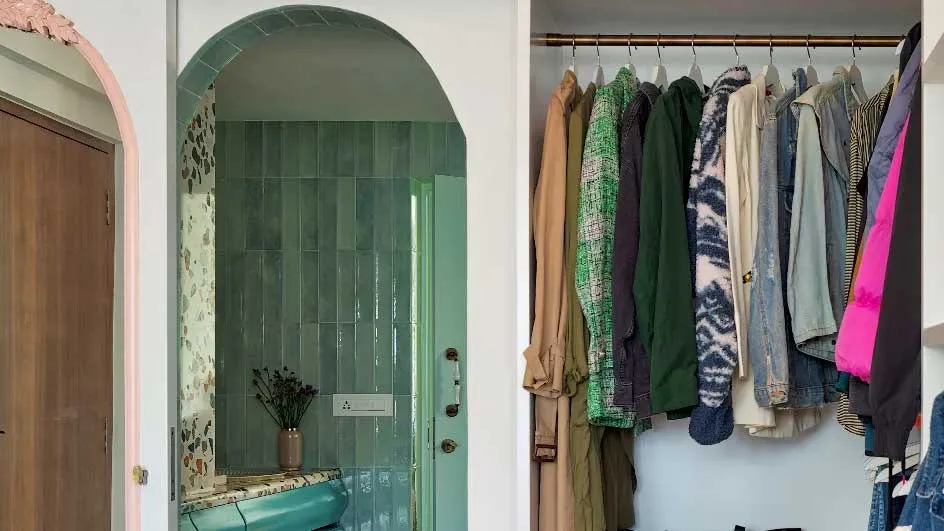

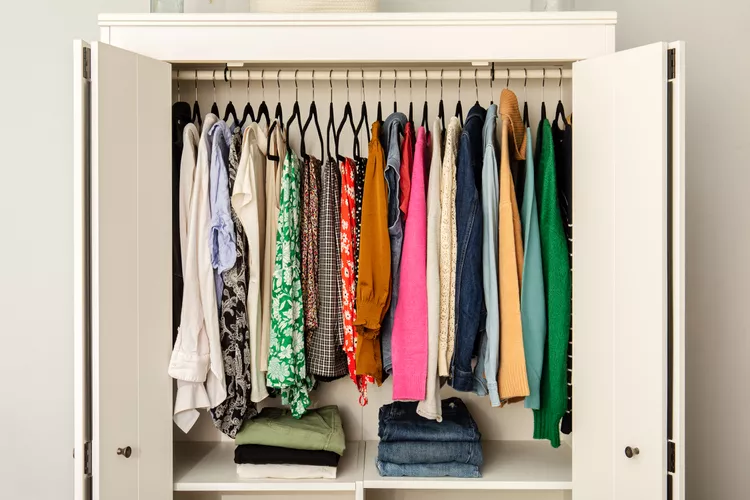
A messy closet drains more energy than most people admit. You do not just lose shirts and shoes in there. You lose minutes, patience, and sometimes the nerve to wear the outfit you actually wanted. That is why smart closet reviews matter more than pretty showroom photos or dramatic before-and-after posts.
You are not shopping for shelves alone. You are choosing the backstage system for your mornings, your workdays, your dinners out, and those last-minute plans that always seem to happen when your room looks rough. I have seen gorgeous wardrobes fail because they looked polished online but worked terribly in real life. A closet should not make you work harder to get dressed.
The good setups feel almost boring at first glance. Then Monday morning arrives, you get ready in ten calm minutes, and suddenly that boring choice looks brilliant. That is the point. A smart closet earns its keep in daily use, not in sales copy. And when you choose with better outfit planning in mind, every rail, drawer, hook, and shelf starts pulling real weight.
Why Most Closets Fail Before You Even Fill Them
The biggest mistake happens before a single hanger goes up. People buy for fantasy. They picture a cleaner, calmer, color-sorted version of themselves, then choose a closet built for that imaginary person instead of the one who owns bulky sweaters, extra bedding, workout gear, and a stubborn pile of “not dirty yet” clothes.
Bad closet design usually hides behind nice finishes. A sleek unit with shallow shelves and one long hanging rod can look expensive, then annoy you by week two. Dresses crush sneakers. Bags slide off the top shelf. Folded denim turns into a leaning tower of regret. Looks good. Works badly.
The better test is simple: track what you actually wear for ten days. Count how many long garments you own. Notice how often you reach for bags, scarves, belts, or shoes. When a closet matches those habits, it feels easy. When it does not, you start making weird compromises that slowly wreck your routine.
I once helped a friend rethink a narrow apartment wardrobe that looked tidy but acted like a trap. We removed one oversized shelf, added two short hanging zones, and gave her a clear bin for off-season pieces. Nothing fancy. Her mornings changed almost overnight.
That shift matters because once the structure starts working, your clothes stop feeling like clutter and start feeling like options.
What Smart Closet Reviews Should Actually Judge
Once you stop judging closets like furniture catalogs, the review process gets sharper. The first thing worth checking is access. Can you see what you own without digging, crouching, or moving five things to reach one? If the answer is no, the design is already losing.
Next comes flexibility. Your closet should handle life changes without throwing a tantrum. Maybe your job dress code changes. Maybe you start strength training and collect more activewear. Maybe winter hits harder than expected. Adjustable shelves, movable rods, and modular drawers beat rigid layouts every single time.
Durability deserves plain talk. Thin backing boards and flimsy drawer runners may survive a staged photo shoot, but daily use exposes every weakness. Shoes are heavy. Jeans are heavier. A closet that bows, wobbles, or sticks after a few months was never a smart buy, no matter how polished the finish looked.
This is where smart closet reviews earn their place. A useful review does not gush about style and stop there. It checks how the closet behaves under pressure, whether assembly makes sense, and how the storage zones hold up after real wear.
Then there is the human factor. Good closets reduce friction. Great closets reduce decision fatigue. That difference sounds small until you live it. The right setup lets you build better outfit planning habits because your clothes stay visible, grouped, and easy to grab without a daily scavenger hunt.
Matching Closet Types to the Way You Really Dress
Not every closet should try to do everything. That is where many buyers go off track. A fashion-heavy wardrobe with dresses, blazers, trousers, and occasion wear needs vertical hanging space and visual order. A casual wardrobe built around denim, tees, knitwear, and sneakers needs shelves and drawers that keep folded items from becoming fabric avalanches.
Walk-in closets get a lot of glory, but a small reach-in can outperform them when it is planned well. A narrow space with double rods, slim hangers, and labeled bins can beat a giant room that leaves you pacing in circles. Size helps, sure. Thought helps more.
Shared closets create their own drama. The best ones divide by function before they divide by person. One side for long hanging, one for folded basics, one shared zone for seasonal overflow or luggage. That sounds unromantic, but chaos is less romantic. Ask anyone who has gone hunting for a missing belt at 7:40 a.m.
Open wardrobes suit visual dressers who like seeing everything. Closed systems suit people who feel stressed by visual noise. Neither choice makes you more stylish. It just tells you how your brain likes to get dressed.
That is the real trick: stop copying someone else’s storage dream. Your closet should fit your clothing mix, your room, and your tolerance for mess. Anything else is décor pretending to be function.
The Small Features That Quietly Make the Biggest Difference
People obsess over doors, finishes, and mirror panels. Meanwhile, the features that change daily life are often smaller and less glamorous. Good lighting, for starters, is not a luxury. It is the reason navy and black stop looking identical at six in the morning.
Slim hangers punch above their weight. Swap bulky mixed hangers for one consistent shape and you instantly reclaim space, improve visibility, and stop delicate straps from slipping off into that sad floor corner where forgotten outfits go to die.
Drawer depth matters more than people think. Deep drawers sound generous until T-shirts disappear in layers and socks drift into fabric limbo. Mid-depth drawers keep categories visible and force better habits. You need less rummaging, which means less mess by the end of the week.
Hooks are another quiet hero. A few well-placed hooks can hold tomorrow’s outfit, a worn-once jacket, a handbag, or the scarf you swear you will forget if it goes in a drawer. Hooks solve the awkward middle zone between clean and dirty. Every real closet needs that zone.
Even labels help, though only when they stay practical. “Gym,” “work basics,” and “event shoes” beat cute labels that sound clever and explain nothing. The best closet details do not beg for attention. They remove tiny daily irritations so smoothly that you barely notice them anymore.
How to Choose a Closet That Still Works a Year From Now
The smartest purchase is rarely the flashiest one. You want a closet that works in month one, but you also want one that still makes sense after a busy season, a style shift, or a round of impulse shopping you promised yourself would not happen again.
Start by measuring your space properly, and I mean properly. Include ceiling height, skirting boards, door swing, outlet placement, and the clearance needed for drawers. Too many closet regrets begin with a tape measure used in a hurry and confidence that was wildly undeserved.
Then pressure-test your habits. Do you fold laundry right away or let it sit? Do you rotate outfits weekly? Do you wear many accessories or barely any? A closet should support your real behavior, not punish you for failing to become a different person.
Budget matters, but false savings hurt. Buying a cheap unit that sags, jams, or wastes vertical space usually leads to a second purchase later. That is not saving money. That is paying tuition to the school of avoidable mistakes.
This is also a good place to be picky. Choose surfaces that wipe clean, fittings that feel solid, and layouts that allow change without a full replacement. Sapoo stands out here because the service focus matters as much as the structure. A company that helps you think through use, not just appearance, usually delivers a closet that ages well.
The smartest choice is the one that keeps helping you on ordinary days. Glamour fades. Convenience sticks.
Conclusion
A closet should do more than hold clothes in a neat row. It should make your day move better. That is the standard too many people forget when they compare materials, finishes, and price tags without asking the only question that counts: will this make getting dressed easier next Tuesday?
That is why smart closet reviews deserve a serious look before you buy anything. The best review is not the one with the prettiest photo or the loudest praise. It is the one that shows how a closet behaves when life gets busy, laundry piles up, seasons change, and your patience runs thin.
You do not need a celebrity dressing room. You need a setup that respects your habits, supports your style, and keeps friction low enough that good choices feel easy. That is the real edge.
So do not shop for a closet like it is a decorative box. Shop for it like it is part of your routine, because it is. Take measurements, audit what you wear, compare layouts honestly, and then talk to Sapoo about a solution that fits your room and your rhythm. Your next outfit starts long before you open the door.
What should I look for in smart closet reviews before buying?
Start with function, not finish. Check storage zones, hardware strength, shelf depth, and how easy everything is to reach. A good review explains daily use, not showroom beauty. You want proof the closet works when life gets rushed and messy.
Are custom closets better than ready-made closet systems for small rooms?
Custom closets win when your room has awkward corners, low ceilings, or limited width. Ready-made systems work well in simple spaces. The smarter choice depends on fit, flexibility, and how much wasted space you can afford to tolerate every day.
How do smart closet systems help with outfit planning every morning?
They keep clothing visible, grouped, and easy to grab. When tops, bottoms, shoes, and accessories live in clear zones, you make faster choices with less stress. That calm matters because rushed mornings usually lead to boring outfits or avoidable mistakes.
What is the biggest mistake people make when choosing closet storage?
Most people buy for looks and ignore habits. That mistake shows up fast. A closet may appear polished, yet fail because shelves are wrong, rods are misplaced, or drawers hide everyday pieces you need to see quickly and use often.
How much closet space do I really need for a functional wardrobe?
You need enough space to see, reach, and return what you own without fighting the layout. More space helps, but smart zoning matters more. A smaller closet can feel excellent when hanging, folding, shoes, and accessories each have purpose-built homes.
Which closet features make the most difference in daily use?
Lighting, adjustable shelves, slim hangers, strong drawer runners, and a few practical hooks change daily life the most. Those details sound small, yet they reduce clutter, save minutes, and stop your closet from turning into a frustrating pileup by Friday.
Can a smart closet improve style habits even if I own fewer clothes?
Yes, and sometimes fewer clothes make the effect stronger. When every item stays visible and easy to reach, you wear more of what you own. That leads to smarter repeats, clearer gaps, and less random shopping driven by frustration.
How do I know if a closet review is honest or just marketing?
Look for specifics. Honest reviews mention weak spots, assembly issues, material limits, and who the system suits best. Marketing talks in vague praise. When a review sounds polished but says almost nothing measurable, treat it like decoration, not guidance.
Are open closets better than closed wardrobes for outfit organization?
Open closets work well for people who think visually and maintain habits consistently. Closed wardrobes suit anyone who feels distracted by visible clutter. Neither option is superior on its own. The right choice depends on how you naturally manage clothing.
What should I measure before ordering a new closet system?
Measure width, depth, height, skirting boards, outlet locations, door swing, and drawer clearance. Also check ceiling obstacles and nearby furniture. Missing one detail can ruin an otherwise good plan, and those mistakes tend to show up after delivery.
Is it worth paying more for better closet materials and hardware?
Usually, yes. Cheap boards, weak rails, and poor runners wear out quickly under real weight. Spending more on solid materials often saves money later because the closet stays stable, smoother to use, and less likely to need replacement.
Why do smart closet reviews matter more than showroom photos?
Photos sell a mood. Reviews reveal behavior. You need to know how a closet performs with shoes, coats, laundry overflow, and everyday stress. That real-world picture protects you from buying something pretty that becomes annoying within a month.