

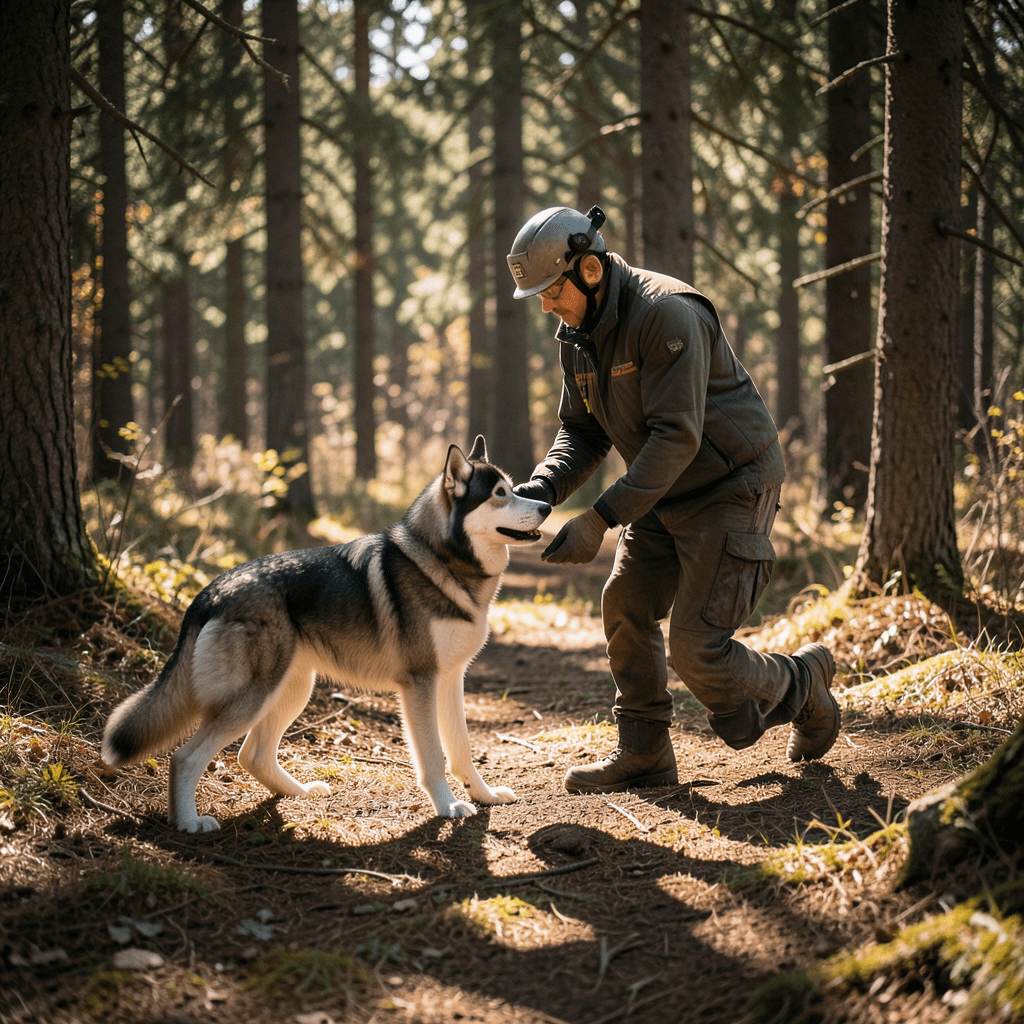
On leash dog training is one of the most important foundations for developing a calm, responsive, and well-mannered dog in everyday environments. Effective on leash dog training helps reduce pulling, improve focus, and build clear communication between dog and handler during walks. Without structured on leash dog training, even friendly dogs can develop habits such as lunging, excessive pulling, or distraction-based reactivity that make daily walks stressful.
Modern training approaches in 2026 focus on clarity, consistency, and reward-based learning. Dogs thrive when expectations are easy to understand and reinforced through repetition and positive reinforcement. Proper on leash dog training does not only improve walking behavior but also enhances overall obedience, confidence, and safety in public spaces.
Rob’s Dog Training specializes in structured behavior-based methods that help dogs learn how to stay calm, attentive, and controlled while on a leash in real-world conditions.
Why On Leash Dog Training Is Essential
On leash dog training is not just about preventing pulling. It is about teaching impulse control, attention, and respect for boundaries while outside the home environment. Dogs naturally become excited in outdoor settings, and without guidance, that excitement can turn into unwanted behavior.
Key reasons on leash dog training is essential include:
- Builds safe walking habits in busy environments
- Reduces stress for both dog and handler
- Prevents dangerous pulling near roads or traffic
- Improves social behavior around other dogs and people
- Strengthens communication and trust
Dogs that lack structured leash training often struggle to focus, especially in high-distraction areas. Over time, these behaviors can become harder to correct, making early intervention critical.
On leash dog training creates a framework where dogs understand what is expected of them regardless of distractions, leading to more predictable and enjoyable walks.
Core Principles of Effective On Leash Dog Training
Successful on leash dog training is based on consistent principles that guide how dogs learn and respond to commands. These principles ensure that training remains effective across different environments.
Consistency in Communication
Dogs learn through repetition and pattern recognition. Using consistent commands, tone, and timing helps eliminate confusion. When expectations change frequently, dogs struggle to understand what behavior is being rewarded.
Positive Reinforcement Approach
Reward-based training encourages dogs to repeat desired behavior. Rewards may include treats, praise, or brief play sessions. This method builds motivation and creates a positive association with leash walking.
Controlled Progression
Training should begin in low-distraction environments before gradually introducing more challenging settings. This step-by-step approach allows dogs to build confidence and reliability over time.
Calm Leash Handling
A relaxed leash communicates calm leadership. Excessive tension can signal stress or correction, which may confuse the dog or trigger resistance. Proper leash handling supports better communication and smoother walks.
Step-by-Step On Leash Dog Training Process
A structured approach is essential for effective on leash dog training. Each stage builds on the previous one to create lasting behavior change.
Step 1: Establish Focus Before Walking
Before starting a walk, the dog should be calm and attentive. This may involve sitting quietly or making brief eye contact with the handler. Starting in a calm state sets the foundation for controlled movement.
Step 2: Introduce Loose Leash Walking
Loose leash walking teaches the dog to remain beside the handler without pulling forward. If tension appears on the leash, movement stops until the leash becomes loose again. This teaches the dog that pulling does not lead to progress.
Step 3: Use Direction Changes
Frequent and gentle direction changes help maintain attention and discourage forward pulling. This technique keeps the dog mentally engaged and focused on movement patterns rather than distractions ahead.
Step 4: Reinforce Calm Behavior
Consistently reward calm walking behavior. Reinforcement should occur immediately after desired actions so the dog clearly understands what is being rewarded.
Step 5: Gradual Exposure to Distractions
Once basic control is established, introduce controlled distractions such as distant dogs, people, or vehicles. Calm behavior should continue to be rewarded, reinforcing focus under pressure.
Step 6: Transition to Real-World Settings
After consistent success in controlled environments, training should progress to parks, sidewalks, and busier public areas. This ensures the dog can maintain behavior in real-life situations.
Common Challenges in On Leash Dog Training
Even with structured methods, challenges are common during on leash dog training. Understanding these issues helps improve training outcomes.
Pulling on the Leash
Pulling often results from excitement or lack of impulse control. Dogs may also pull if they have learned that pulling leads to forward movement.
Reactivity Toward Other Dogs
Some dogs react strongly when encountering other animals. This is often due to fear, overexcitement, or insufficient early social exposure.
Stopping or Refusing to Walk
Freezing behavior may indicate anxiety, confusion, or overstimulation. Gradual exposure and positive reinforcement can help build confidence.
Inconsistent Progress
Training inconsistency, such as irregular practice sessions or mixed signals, can slow progress. Dogs require repetition to fully learn new behaviors.
Addressing these challenges requires patience, structure, and gradual improvement rather than force-based correction.
Advanced On Leash Dog Training Techniques
Once foundational skills are established, advanced techniques can further improve behavior and focus during walks.
Focus-Based Walking
Encouraging the dog to maintain attention on the handler during movement strengthens engagement and reduces external distractions.
Threshold Control Training
Teaching the dog to pause before exiting doors, crossing streets, or entering new spaces builds impulse control and decision-making skills.
Structured Break Training
Incorporating short pauses during walks reinforces calm behavior and prevents constant forward motion, which can contribute to overexcitement.
Distance Distraction Training
Gradually exposing the dog to distractions at increasing proximity helps improve tolerance and emotional control in real-world environments.
The Role of Professional Training Support
While many owners begin training independently, professional guidance can significantly improve results, especially in more challenging cases. Structured programs from Rob’s Dog Training provide personalized support based on each dog’s behavior, temperament, and learning pace.
Professional training support helps with:
- Addressing persistent leash pulling issues
- Managing reactive or anxious behavior
- Building structured training plans tailored to individual dogs
- Ensuring correct training techniques are applied consistently
- Speeding up behavior improvement through expert guidance
Professional trainers also help prevent common mistakes that may unintentionally reinforce unwanted behaviors during early training stages.
Importance of Consistency in Long-Term Success
On leash dog training is not a one-time process but an ongoing habit-building practice. Long-term success depends on consistent reinforcement and continued practice even after basic skills are learned.
Important long-term strategies include:
- Daily short training sessions during walks
- Reinforcing calm behavior regularly
- Gradually increasing exposure to new environments
- Maintaining consistent commands and expectations
- Rewarding improvements, no matter how small
Dogs rely on repetition and structure. Without continued reinforcement, old habits may return, especially in highly stimulating environments.
Building a Stronger Bond Through On Leash Dog Training
Beyond behavior improvement, on leash dog training strengthens the relationship between dog and handler. Clear communication, mutual trust, and consistent interaction help build a stronger emotional connection.
Dogs that understand expectations tend to feel more secure and confident during walks. Handlers also experience less frustration, making walks more enjoyable and meaningful for both sides.
Over time, structured leash training becomes less about control and more about partnership, where both dog and handler work together in harmony.
Conclusion
On leash dog training is a critical skill for developing calm, controlled, and well-behaved dogs in everyday environments. Through structured techniques, consistent reinforcement, and gradual exposure, dogs can learn to walk calmly without pulling or reacting excessively to distractions.
Whether starting with a young puppy or improving behavior in an adult dog, success depends on patience, repetition, and clarity. With the right approach, leash walking transforms from a daily struggle into a calm and enjoyable experience.
For structured guidance and behavior-focused training programs, Rob’s Dog Training provides expert support designed to create lasting results and better communication between dogs and their handlers.