Fashion is much more than following the latest seasonal collections or keeping up with changing trends. The colors people choose to wear often reflect their emotions, personality, confidence, and even their goals. While fashion trends may change every few months, the psychological influence of color remains consistent. Understanding color psychology allows individuals to create wardrobes that express their identity while leaving lasting impressions in both personal and professional settings.
The Emotional Influence of Color
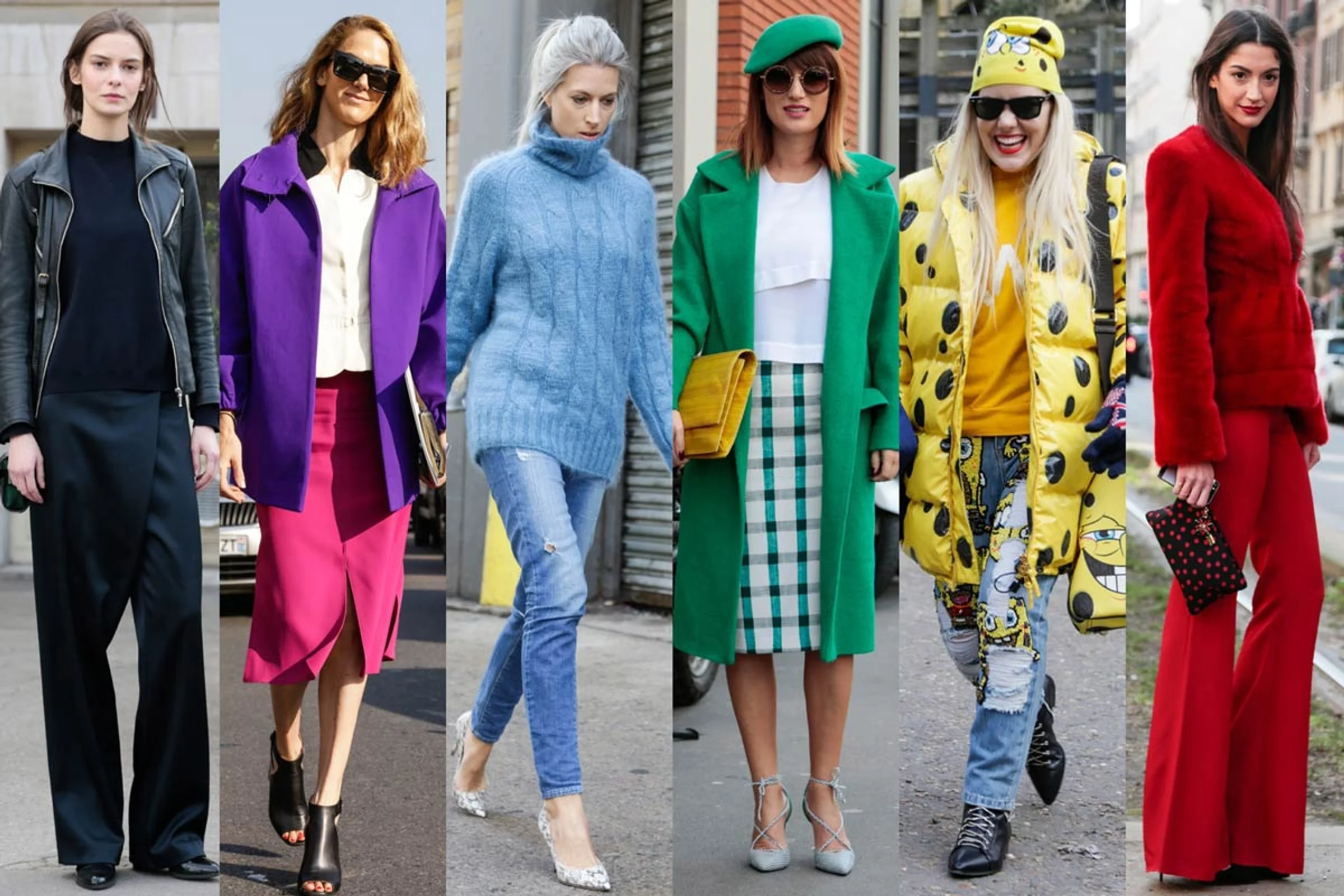
Every color communicates a different message. Warm colors such as red, orange, and yellow often represent energy, passion, and optimism. Cool colors like blue and green are associated with calmness, trust, and balance. Neutral shades including white, black, gray, and beige symbolize elegance, simplicity, and sophistication.
Instead of selecting clothing solely because it is currently fashionable, many people now choose colors that match their mood or the impression they want to create. This thoughtful approach helps fashion become a tool for communication rather than just appearance.
Moving Beyond Seasonal Fashion Rules
For many years, fashion advice revolved around seasonal color palettes. Spring encouraged soft pastels, summer embraced vibrant shades, autumn focused on earthy tones, and winter favored darker colors. Today, those traditional rules are becoming less important as personal style takes center stage.
Modern fashion celebrates individuality. Someone who feels confident in bright yellow can wear it throughout the year, while another person may choose classic navy regardless of the season. Personal comfort and emotional connection with colors have become stronger influences than fashion calendars.
Interestingly, digital platforms that help people organize various aspects of daily life have also encouraged personalization. Just as services such as manav sampada portal up for leave application allow individuals to manage their responsibilities efficiently, fashion today encourages people to make choices based on personal needs rather than fixed conventions.
Fashion as a Reflection of Identity
Clothing allows people to express beliefs, creativity, and cultural influences without speaking. Vibrant colors can represent enthusiasm and artistic expression, while minimalist palettes often communicate focus and sophistication.
Social media has also broadened fashion inspiration, exposing people to global styles instead of limiting them to regional trends. This diversity encourages experimentation with colors that might once have been considered unconventional. Personal identity now plays a larger role than seasonal expectations.
Similarly, digital public services continue evolving to provide customized experiences for users. References such as rtps bihar 3 illustrate how technology increasingly supports individual needs, reflecting the same broader movement toward personalization seen throughout modern fashion.
Colors and Self Confidence
Confidence often begins with how people perceive themselves. Wearing colors that align with one’s personality can positively affect self esteem. Black is frequently chosen for authority and professionalism, while blue helps project reliability and trustworthiness. Green creates a sense of harmony, making it suitable for relaxed social settings.
Many professionals intentionally build wardrobes around colors that support their careers. Public speakers may favor bold colors to command attention, while healthcare workers often select calming shades to create reassurance among patients. These choices demonstrate that color psychology influences far more than aesthetics.
Cultural Meanings Behind Colors
Color meanings vary across cultures, making fashion even more fascinating. White symbolizes purity in many Western cultures, while it may represent mourning in certain Asian traditions. Red often represents celebration, prosperity, and happiness in several countries, making it a popular choice for festive occasions.
Understanding these cultural associations helps individuals make thoughtful fashion decisions, especially when attending international events or multicultural gatherings. Respecting color symbolism demonstrates awareness and appreciation for different traditions while allowing fashion to build positive connections.
Creating a Timeless Wardrobe Through Color
A timeless wardrobe depends less on trends and more on carefully selected colors that remain versatile over many years. Investing in classic shades like navy, charcoal, beige, white, and black creates endless outfit combinations that remain stylish regardless of changing fashion cycles.
Adding carefully chosen accent colors allows personality to shine without requiring complete wardrobe updates every season. This balanced approach reduces unnecessary purchases while encouraging sustainable fashion practices. Government initiatives promoting sustainability and responsible resource management, including information available through www.pmsuryaghar.info, reflect a similar emphasis on making thoughtful long term decisions rather than focusing only on immediate trends.
Fashion Psychology in Everyday Life
The colors people wear can influence first impressions during job interviews, business meetings, celebrations, and social gatherings. Research has shown that clothing colors may affect both the wearer’s confidence and how others perceive competence, friendliness, or creativity.
Rather than asking which colors are currently trending, many style experts now encourage people to ask which colors genuinely reflect their personality and support their goals. This shift creates wardrobes that remain meaningful beyond changing seasonal collections.
Even as digital services continue expanding in different sectors through platforms like pmmvy nic इन लॉगइन रजिस्ट्रेशन online, the broader lesson remains the same. Personalization and thoughtful decision making produce better outcomes than simply following standard patterns.
Conclusion
Color psychology reminds us that fashion is deeply personal rather than purely seasonal. Every shade carries emotional, cultural, and psychological significance that influences confidence, communication, and self expression. By understanding the meanings behind colors and choosing them intentionally, individuals can build wardrobes that remain timeless, authentic, and adaptable throughout the year. Fashion trends may come and go, but the power of color to shape perception and express individuality continues to remain one of the most enduring aspects of personal style.